China Best Glue Laminating Machine at 2026 Canton Fair?
The 2026 Canton Fair is set to showcase some of the most innovative machinery, including the Glue Laminating Machine. This event will occur in three phases from April 15 to May 5, 2026. The fair focuses on advanced manufacturing, household quality, and various industries. Notably, the introduction of AI technology will help buyers navigate the large exhibition space. They can filter suppliers based on certifications like ISO and CE.
The Glue Laminating Machine stands out as a crucial equipment for manufacturers. Its efficiency in creating strong, laminated products is vital in many sectors, from construction to furniture design. As the industry evolves, it's essential to evaluate these machines critically. Are they meeting modern demands?
The fair offers a chance to reflect on what improvements can be made. Potential buyers must consider efficiency, sustainability, and technological advancements when selecting equipment. Engaging with exhibitors about these tools can reveal areas needing attention. Therefore, the upcoming Canton Fair will serve as a vital platform to explore the future of Glue Laminating Machines and their role in manufacturing.
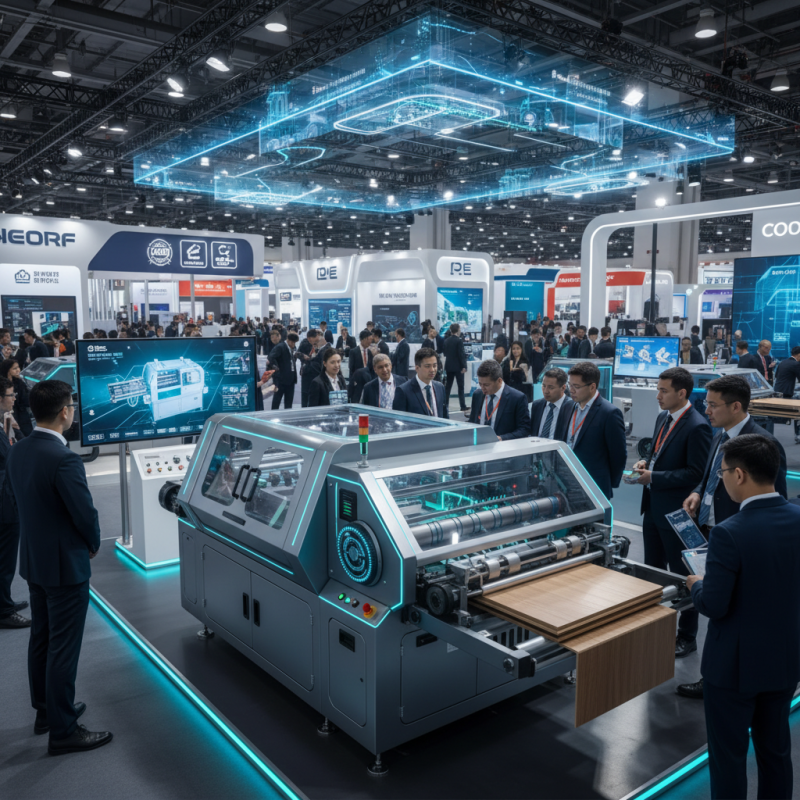
Overview of Glue Laminating Machines in China
In recent years, the demand for glue laminating machines in China has surged significantly. According to a report by Technavio, the global laminating machine market is expected to grow by over 4% annually until 2025. This trend reflects the growing need for high-quality lamination in packaging and construction sectors. Chinese manufacturers are stepping up with innovative designs, yet quality control remains a challenge.
Glue laminating machines are essential in various industries, including woodworking and paper production. They enhance durability and provide a professional finish. Recent statistics indicate that 70% of laminated products come from Asia, with China being a significant player. However, some equipment lacks advanced technology, leading to inconsistency in output quality. This is an area for reflection.
While the market grows, efficiency is also a concern. Many machines can process high volumes quickly, but energy consumption and waste are often overlooked. Some reports suggest that up to 20% of operational costs can arise from inefficient machinery. This highlights the need for smarter, more sustainable designs in future models, making the upcoming Canton Fair a key opportunity for stakeholders to address these issues and explore advancements.
Overview of Glue Laminating Machines in China - 2026 Canton Fair
Key Features of Top Glue Laminating Machines Exhibited
At the upcoming 2026 Canton Fair, glue laminating machines are expected to steal the spotlight. These machines are vital for various industries, particularly in packaging and woodworking. With the global market for laminating equipment projected to reach over $1 billion by 2027, advancements in technology are crucial. Companies are competing to develop machines that are both efficient and innovative.
Key features will include improved adhesive application systems. Many models now possess precision nozzles that minimize waste and enhance bonding strength. The ability to adjust adhesive thickness adds to operational flexibility. It’s reported that optimizing adhesive usage can reduce costs by up to 25%. However, not all machines achieve this efficiency, indicating room for improvement.
Another focal point is energy efficiency. Recent studies show that machines using less energy can significantly lower production costs. Some manufacturers claim energy savings of around 30% with new technology. Yet, many units struggle with operational reliability. Ensuring consistent performance without frequent breakdowns remains a challenge. This aspect raises concerns about long-term investment for businesses. As the industry evolves, addressing these gaps will be essential for staying competitive in the market.
China Best Glue Laminating Machine at 2026 Canton Fair? - Key Features of Top Glue Laminating Machines Exhibited
| Model | Max Working Width (mm) | Min Working Thickness (mm) | Heating Method | Production Speed (m/min) | Weight (kg) | Price (USD) |
| Model A | 1300 | 0.3 | Electric | 15 | 500 | 8000 |
| Model B | 1600 | 0.4 | Infrared | 20 | 650 | 10000 |
| Model C | 2000 | 0.5 | Steam | 25 | 750 | 12000 |
| Model D | 2500 | 0.6 | Hot Air | 30 | 800 | 15000 |
Manufacturers to Watch at the 2026 Canton Fair
As the 2026 Canton Fair approaches, the spotlight is on the manufacturers who will showcase cutting-edge glue laminating machines. Industry analysts predict a growing demand in this sector, bolstered by a report from Grand View Research, which estimates that the laminating machine market will reach $5 billion by 2027. The increase is fueled by innovations in adhesive technologies and a strong push for sustainable packaging solutions.
Attendees should pay close attention to manufacturers focusing on automation and energy efficiency. These features are becoming essential as businesses aim to reduce production costs. A well-designed laminating machine not only enhances product durability but also minimizes waste. Some manufacturers, however, still struggle with integrating smart technologies into their machines. They need to rethink their approach to meet market demands effectively.
Tip: Look for machines that offer versatility in operations. A multi-functional laminating machine can handle various materials, which may save you time and money. Also, ensure the supplier provides robust after-sales support. Good support can mitigate downtime and enhance machine longevity, making it a crucial factor in your purchasing decision.
Market Trends in Glue Laminating Technology
The glue laminating technology market is evolving quickly. Recent reports show that the global market is expected to reach $2.5 billion by 2028. This growth reflects the increasing demand for durable and efficient lamination solutions. New materials and improved adhesives are creating opportunities.
Consumer preferences are shifting towards eco-friendly laminating solutions. Reports indicate that over 70% of companies are investing in sustainable practices. However, some manufacturers still rely on traditional methods. This discrepancy highlights a gap in innovation.
Challenges remain. Not all businesses can afford the latest machinery, leading to a technology divide. Many smaller companies struggle with older equipment. The need for affordable yet effective solutions is critical. As a result, many manufacturers are focusing on cost-effective designs while pushing for better performance.
Critical Considerations When Choosing a Laminating Machine
When choosing a laminating machine, several factors must be considered. The machine’s speed is crucial. It should match your production needs. A slower machine may not meet high demand. On the other hand, a very fast machine might lead to mistakes. Finding that balance requires careful thought.
Another key consideration is the size and thickness of the materials you work with. Ensure the machine can handle various dimensions. A flexible option is often ideal. You may also want to think about the ease of use. Complicated machines can frustrate operators. Training takes time, and that can delay production.
Budget constraints always play a role in decisions. This can sometimes lead to compromises. The cheapest option may not perform well in the long run. Consider reliability and durability over time. Purchasing a laminating machine is an investment. It’s worth taking the time to reflect on all these aspects.